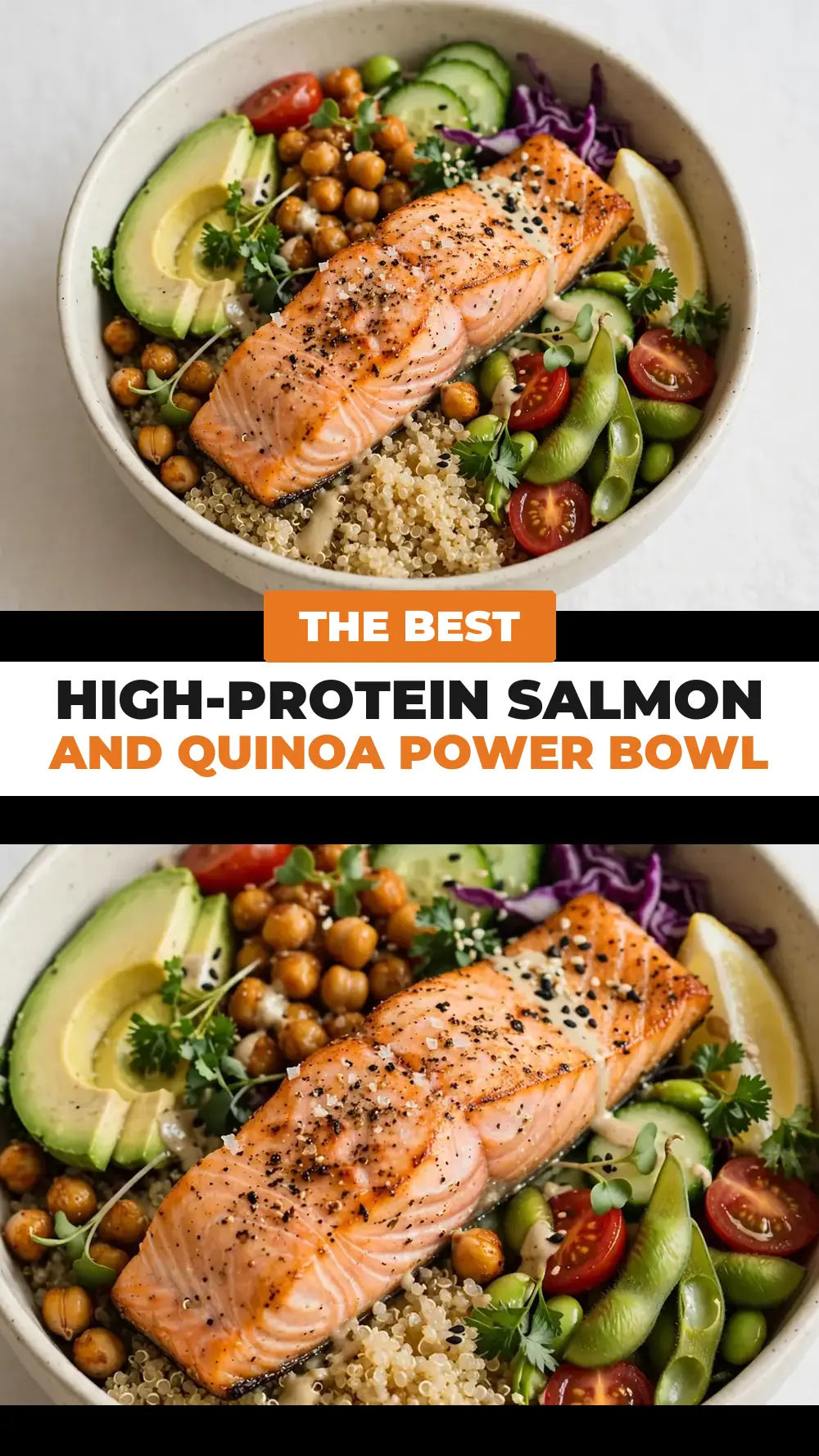
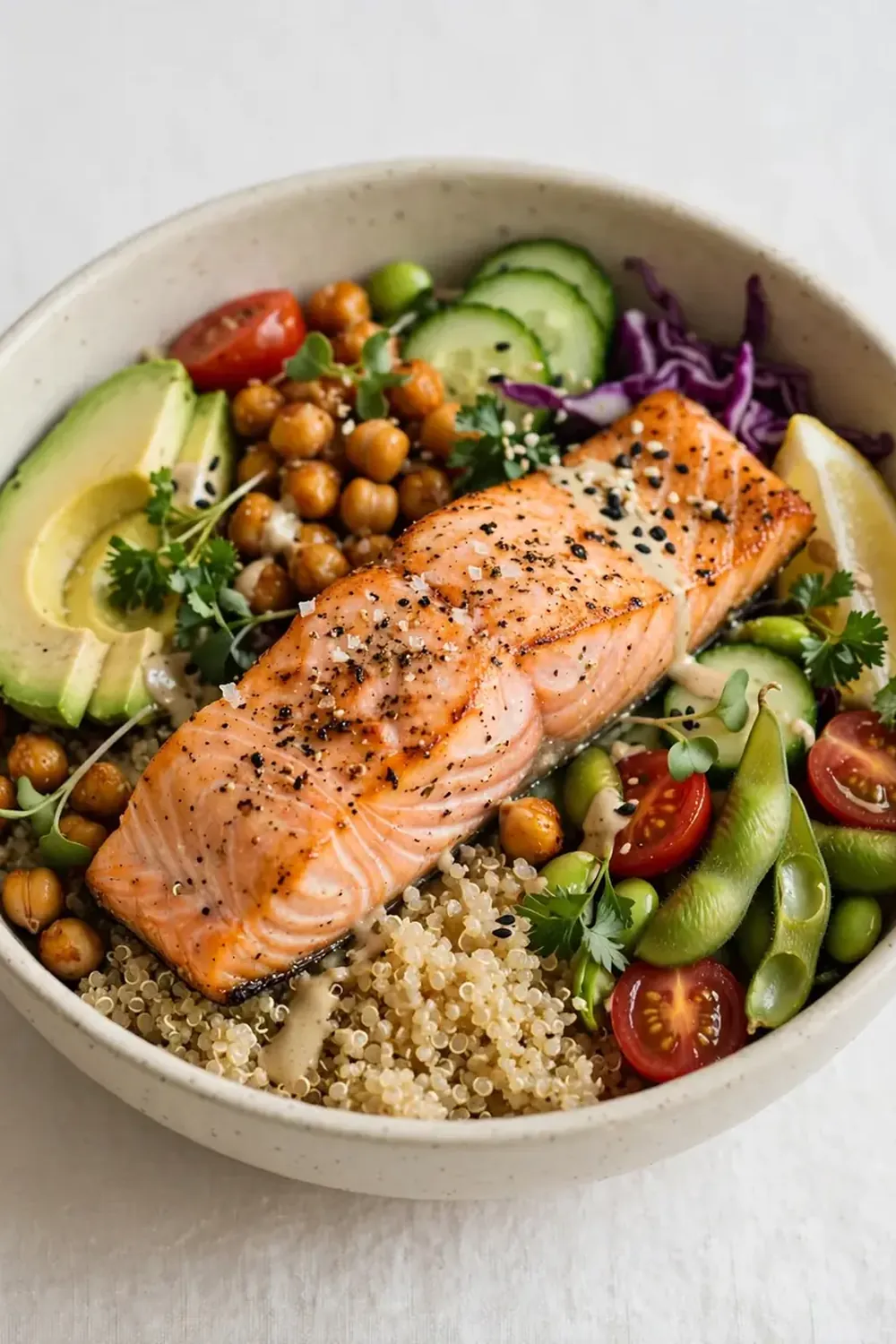
High-Protein Salmon And Quinoa Power Bowl
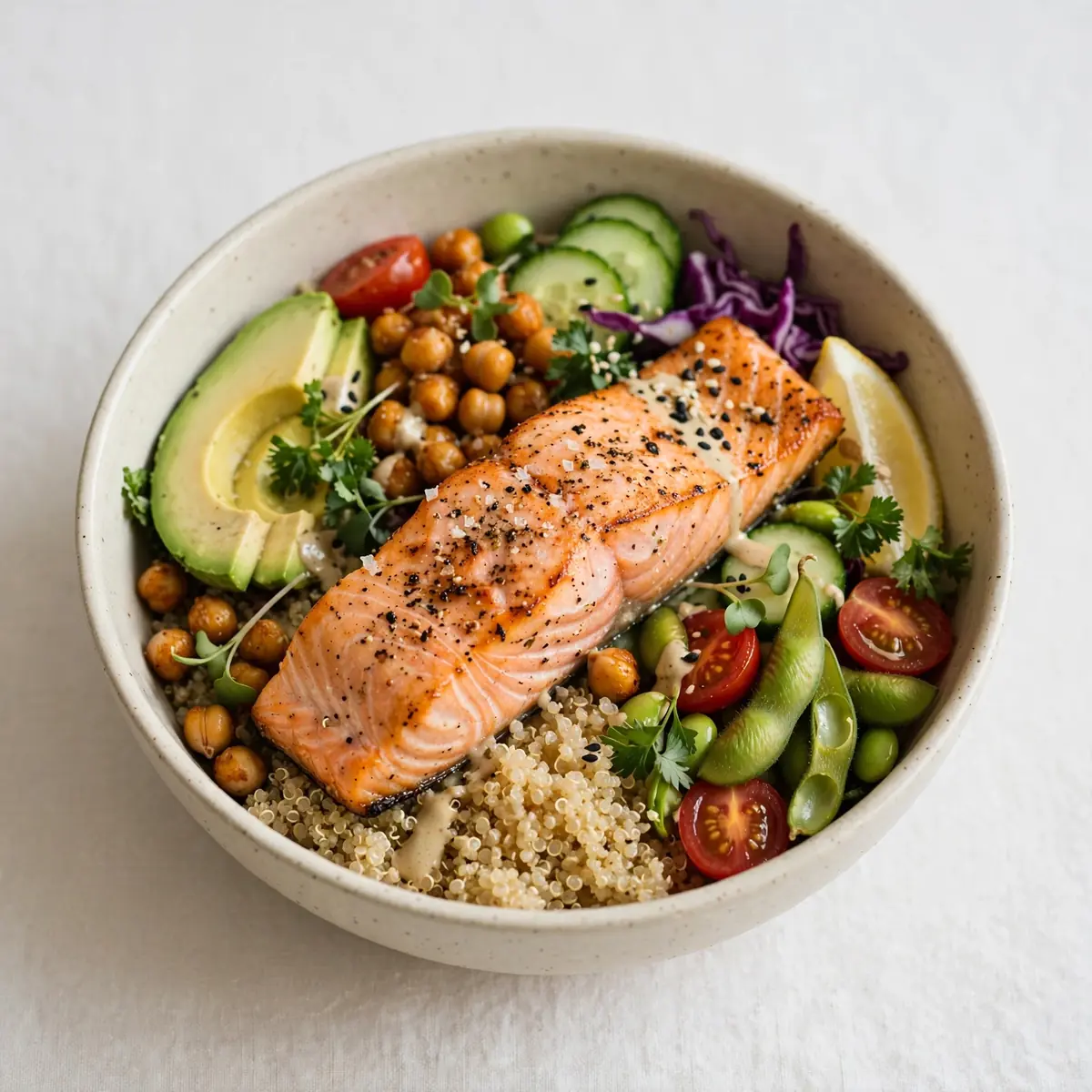
I remember staring into the fridge on a Sunday evening, faced with the usual dilemma: a sad, wilting bag of spinach, a lone fillet of salmon, and a half-empty bag of quinoa. My wallet was feeling the pinch after a week of takeaway coffees and pricey lunches. That’s when this High-Protein Salmon and Quinoa Power Bowl was born. It wasn’t about fancy gastronomy; it was about making a few quality ingredients stretch for the week ahead without breaking the bank.
Recipe Overview
- Prep Time: 10 minutes
- Cook Time: 25 minutes
- Total Time: 35 minutes
- Servings: 4 generous bowls
- Difficulty: Easy
Why You’ll Love This High-Protein Salmon and Quinoa Power Bowl
- Seriously Budget-Friendly: A single batch costs roughly £3.50 per serving, making it far cheaper than a delivery salad and packed with far more goodness.
- Built for Batch Cooking: This recipe is designed to be made in bulk. Cook once, and you have lunch or dinner sorted for four days. It actually tastes better on day two.
- Incredible Protein Punch: With salmon and quinoa working together, you’re looking at around 35g of protein per bowl, keeping you full and focused through the afternoon slump.
- Holds Up Beautifully: Unlike soggy salads, this bowl stores brilliantly. The quinoa stays fluffy, the salmon reheats moistly, and the veg retains a slight crunch.
- Endlessly Customisable: Use whatever vegetables are on offer, swap the dressing, or change the fish. This is a template for a healthy, affordable meal, not a rigid rulebook.
Ingredients You’ll Need
- 400g salmon fillet (skin on or off, your preference)
- 250g quinoa (I use a white and red mix for texture)
- 500ml vegetable or fish stock (for cooking the quinoa)
- 2 tablespoons olive oil
- 1 large lemon (juice and zest)
- 2 cloves garlic, finely minced
- 1 teaspoon smoked paprika
- ½ teaspoon ground cumin
- Salt and black pepper, to taste
- 1 large courgette, diced into 1cm cubes
- 1 red bell pepper, deseeded and diced
- 200g cherry tomatoes, halved
- 100g rocket or spinach leaves
- Optional: 50g crumbled feta cheese or a dollop of Greek yoghurt for serving
Tip: For the most cost-effective version, buy a whole side of salmon when it’s on offer, portion it, and freeze what you don’t use immediately. The same goes for quinoa – buying it in bulk from the dry goods section saves a packet.
How to Make High-Protein Salmon and Quinoa Power Bowl
- Cook the quinoa: Rinse the quinoa in a fine-mesh sieve under cold running water until the water runs clear – you’ll see the cloudy starch wash away. Place it in a medium saucepan with the stock and bring to a rolling boil. You should hear a steady bubble and see steam rising. Reduce the heat to low, cover, and simmer for 15 minutes. When the liquid is fully absorbed, you’ll see tiny white rings appear around the grains. Remove from the heat, fluff with a fork, and let it sit covered for 5 minutes.
- Season the salmon: While the quinoa cooks, pat the salmon dry with kitchen paper. The skin should feel dry to the touch. Rub the fillet with 1 tablespoon of olive oil, then season generously with salt, pepper, the smoked paprika, and cumin. The spices will create a fragrant, reddish crust when cooked.
- Pan-fry the salmon: Heat the remaining 1 tablespoon of olive oil in a large, non-stick frying pan over a medium-high heat. Place the salmon skin-side down (if using skin-on) and listen for a satisfying sizzle. Cook for 4-5 minutes without moving it. You’ll see the flesh turn opaque from the bottom up, and the skin will become golden and crisp. Flip carefully and cook for another 3-4 minutes until the centre feels firm to the touch. The aroma will be nutty and smoky. Set it aside to rest on a plate.
- Sauté the vegetables: In the same pan (don’t wipe it out – those browned bits are flavour!), add the courgette and red pepper. Sauté over a medium heat for 4-5 minutes. The courgette will soften and turn a vibrant green, and the pepper will release a sweet, roasted smell. Add the cherry tomatoes and minced garlic, cooking for another 2 minutes until the tomatoes start to blister and soften, releasing their juice. The pan should look glossy and smell aromatic.
- Flake the salmon: Using two forks, gently break the rested salmon into large, chunky pieces. You should see the beautiful, flaky interior – moist and pale pink. Be careful not to break it into tiny shreds; large pieces are more satisfying and feel more substantial in the bowl.
- Assemble the bowls: Divide the fluffy quinoa among four bowls. Top with a generous handful of rocket or spinach. Arrange the sautéed vegetables and flaked salmon on top. Squeeze a little fresh lemon juice over everything and sprinkle with the lemon zest for a bright, fresh hit.
- Add finishing touches: If using, crumble over the feta cheese or add a dollop of Greek yoghurt. A final crack of black pepper and a drizzle of extra virgin olive oil makes it look, and taste, restaurant-worthy.
Tips From My Kitchen
- Cook quinoa in stock, not water: This is the single biggest flavour upgrade you can make. Water gives you bland, beige grains. Stock – vegetable, chicken, or fish – infuses the quinoa with a savoury depth that complements the salmon perfectly. It’s the secret to a bowl that doesn’t need a heavy dressing.
- Don’t skimp on the salmon resting time: After you cook the salmon, let it rest on a plate for at least 3 minutes. This allows the juices to redistribute throughout the flesh. If you flake it immediately, those precious juices will run out onto the plate, leaving you with dry, disappointing fish. Resting guarantees moist, succulent pieces.
- Batch cook the components separately: For the best meal prep results, store the cooked quinoa, sautéed vegetables, and flaked salmon in separate airtight containers in the fridge. This prevents the quinoa from becoming mushy and the vegetables from making the salmon soggy. Assemble only when you’re ready to eat.
- Reheat gently to preserve texture: When reheating a portion, use a microwave at 50% power for 2-3 minutes, or reheat in a frying pan with a splash of water. High heat will dry out the salmon and turn the quinoa into paste. Gentle reheating keeps everything tasting freshly cooked.
- Use the salmon skin for a crispy topping: If you cook the salmon skin-side down, it becomes wonderfully crisp. After flaking the flesh, return the skin to the hot pan for 30 seconds to crisp up further. Chop it into small pieces and sprinkle over the bowl for a salty, crunchy garnish that costs nothing extra.
- Let the quinoa cool completely before storing: Hot quinoa in a sealed container creates steam, which turns it into a sticky, claggy mess. Spread the cooked quinoa on a baking tray to cool for 10-15 minutes before transferring it to the fridge. The grains will stay separate and fluffy.
Equipment You’ll Need
- Large frying pan or skillet (non-stick is ideal)
- Sharp knife and cutting board
- Mixing bowls
- Wooden spoon or spatula
- Fine-mesh sieve for rinsing quinoa
- Medium saucepan with a tight-fitting lid
- Kitchen tongs or two forks for flaking
Common Mistakes to Avoid
- Overcrowding the pan: When sautéing the vegetables, give them room. If you cram everything into the pan, they steam rather than sauté, resulting in a watery, bland texture. Cook in batches if necessary, or use a larger pan. You want them to develop a light golden colour, not turn grey.
- Wrong temperature: Cooking the salmon over too high a heat burns the spices and leaves the inside raw. Cooking it over too low a heat dries it out. The sweet spot is medium-high: the oil should shimmer but not smoke. When you add the salmon, you want a steady sizzle, not a furious spit.
- Skipping the rest time: I cannot stress this enough. Resting the salmon is not a step you can skip. Cutting into it immediately forces all the moisture out, leaving a dry, crumbly mess. A short, patient rest transforms a good piece of fish into a great one.
Delicious Variations to Try
- Spicy Version: Add 1 teaspoon of harissa paste or a chopped red chilli to the vegetables as they sauté. Alternatively, mix a pinch of cayenne pepper into the spice rub for the salmon. For an extra kick, drizzle with sriracha or chilli oil before serving.
- Vegetarian/Vegan Option: Replace the salmon with two tins of drained chickpeas or a block of firm tofu, crumbled and pan-fried with the same spice mix. The quinoa and chickpeas provide a complete protein profile, and the texture is wonderfully satisfying.
- Different Protein: This bowl is a fantastic template. Swap the salmon for grilled chicken thighs, flaked mackerel, or even tinned tuna in spring water. For a red meat option, try the High Protein Beef And Broccoli Skillet method and layer it over the quinoa instead.
What to Serve With High-Protein Salmon and Quinoa Power Bowl
- A squeeze of fresh lemon or lime juice over the top
- A side of steamed green beans or asparagus for extra fibre
- A simple yogurt and herb dip (mix Greek yoghurt with chopped mint and dill)
- A handful of toasted flaked almonds or pumpkin seeds for crunch
- A light, crisp salad of cucumber and radish with a lemon vinaigrette
Frequently Asked Questions
High-Protein Salmon and Quinoa Power Bowl
Ingredients
Method
-
Cook the quinoa: Rinse the quinoa in a fine-mesh sieve under cold running water until the water runs clear – you’ll see the cloudy starch wash away. Place it in a medium saucepan with the stock and bring to a rolling boil. You should hear a steady bubble and see steam rising. Reduce the heat to low, cover, and simmer for 15 minutes. When the liquid is fully absorbed, you’ll see tiny white rings appear around the grains. Remove from the heat, fluff with a fork, and let it sit covered for 5 minutes.
-
Season the salmon: While the quinoa cooks, pat the salmon dry with kitchen paper. The skin should feel dry to the touch. Rub the fillet with 1 tablespoon of olive oil, then season generously with salt, pepper, the smoked paprika, and cumin. The spices will create a fragrant, reddish crust when cooked.
-
Pan-fry the salmon: Heat the remaining 1 tablespoon of olive oil in a large, non-stick frying pan over a medium-high heat. Place the salmon skin-side down (if using skin-on) and listen for a satisfying sizzle. Cook for 4-5 minutes without moving it. You’ll see the flesh turn opaque from the bottom up, and the skin will become golden and crisp. Flip carefully and cook for another 3-4 minutes until the centre feels firm to the touch. The aroma will be nutty and smoky. Set it aside to rest on a plate.
-
Sauté the vegetables: In the same pan (don’t wipe it out – those browned bits are flavour!), add the courgette and red pepper. Sauté over a medium heat for 4-5 minutes. The courgette will soften and turn a vibrant green, and the pepper will release a sweet, roasted smell. Add the cherry tomatoes and minced garlic, cooking for another 2 minutes until the tomatoes start to blister and soften, releasing their juice. The pan should look glossy and smell aromatic.
-
Flake the salmon: Using two forks, gently break the rested salmon into large, chunky pieces. You should see the beautiful, flaky interior – moist and pale pink. Be careful not to break it into tiny shreds; large pieces are more satisfying and feel more substantial in the bowl.
-
Assemble the bowls: Divide the fluffy quinoa among four bowls. Top with a generous handful of rocket or spinach. Arrange the sautéed vegetables and flaked salmon on top. Squeeze a little fresh lemon juice over everything and sprinkle with the lemon zest for a bright, fresh hit.
-
Add finishing touches: If using, crumble over the feta cheese or add a dollop of Greek yoghurt. A final crack of black pepper and a drizzle of extra virgin olive oil makes it look, and taste, restaurant-worthy.
Notes
I make this at least once a week – it’s become a family favourite. My kids absolutely devour this every time I make it, especially when I let them add their own toppings. It’s a meal that feels indulgent but keeps the budget in check and the fridge organised. For more batch-cooking inspiration, have a look at our High Protein Meal Prep collection, or try a Chocolate Peanut Butter Protein Smoothie for a quick breakfast boost. I’d love to hear how you get on – drop a comment below and tell me your favourite variation.