Vegan High-Protein Lentil Bolognese
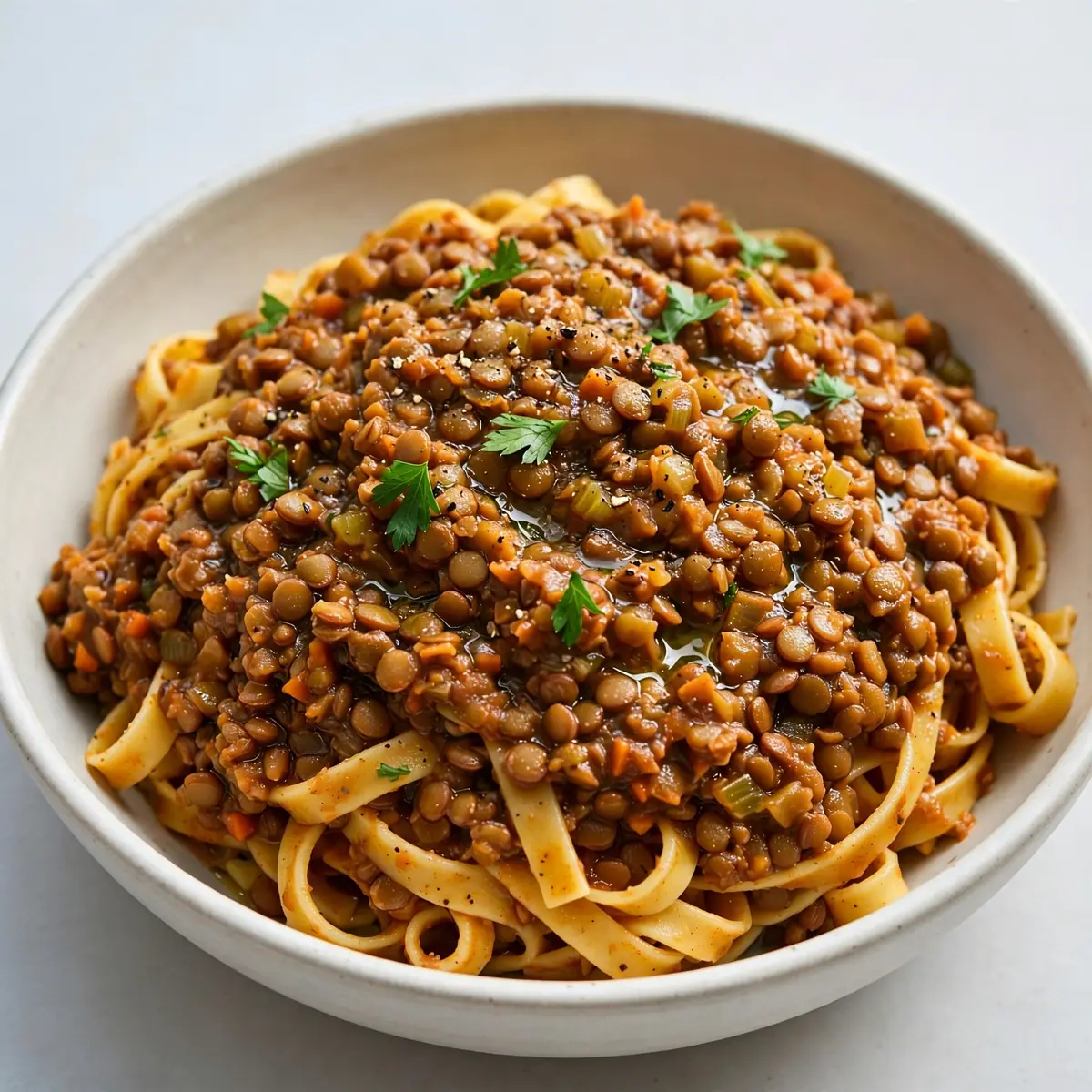
I remember standing in my kitchen, staring at a tin of lentils and wondering if I could turn them into something my family would actually ask for again. After testing this recipe five times, I finally got it just right — a rich, hearty sauce that costs pennies per portion and fills the freezer with ready-made dinners. My kids absolutely devour this every time I make it, and I love that I’m feeding them something nourishing without blowing the weekly budget. This Vegan High-Protein Lentil Bolognese is the meal-prep hero you didn’t know you needed.
Recipe Overview
- Prep Time: 15 minutes
- Cook Time: 40 minutes
- Total Time: 55 minutes
- Servings: 8 generous portions
- Difficulty: Easy
Why You’ll Love This Vegan High-Protein Lentil Bolognese
- Budget-friendly batch cooking: At roughly £1.20 per serving, this sauce stretches your pound further than any minced meat option, and it freezes like a dream for up to three months.
- Serious protein punch: Each serving packs around 18g of plant-based protein from lentils and a clever blend of ingredients, keeping you full and satisfied without relying on expensive meat substitutes.
- One-pan simplicity: Everything comes together in a single large frying pan or pot, which means less washing up and more time for yourself after a long day.
- Meal-prep perfection: Make it on Sunday, portion it into containers, and you’ve got lunches or dinners ready to grab all week long — the flavours actually deepen and improve overnight.
- Totally family-friendly: Even the pickiest eaters won’t miss the meat, because the texture is hearty and the sauce is rich, savoury, and deeply satisfying.
Ingredients You’ll Need
- 2 tablespoons olive oil
- 1 large onion, finely diced (about 200g)
- 3 cloves garlic, minced
- 2 medium carrots, grated (about 150g)
- 2 celery sticks, finely chopped (about 100g)
- 2 x 400g tins green or brown lentils, drained and rinsed
- 2 x 400g tins chopped tomatoes
- 2 tablespoons tomato purée
- 500ml vegetable stock (made with 1 stock cube)
- 1 teaspoon dried oregano
- 1 teaspoon dried basil
- 1 teaspoon smoked paprika
- ½ teaspoon chilli flakes (optional, for a gentle warmth)
- Salt and freshly ground black pepper, to taste
- 500g dried spaghetti or your favourite pasta shape
- Fresh basil leaves, to garnish (optional)
Tip: Buy tinned lentils in bulk when they’re on offer — they keep for ages and are the backbone of this budget-friendly recipe. If you prefer cooking dried lentils from scratch, use 200g dried lentils and cook them according to packet instructions before adding to the sauce.
How to Make Vegan High-Protein Lentil Bolognese
- Start the soffritto base. Warm the olive oil in a large frying pan or heavy-bottomed pot over a medium heat. Add the diced onion and cook for 4-5 minutes until it turns translucent and smells sweet, stirring occasionally — you’ll notice the edges just beginning to catch a pale golden colour.
- Add the aromatics and vegetables. Toss in the minced garlic, grated carrot, and chopped celery. Stir everything together and cook for another 5 minutes, until the carrot softens and the celery loses its crunch. The mixture should look moist and smell deeply savoury.
- Build the lentil base. Tip in the drained lentils and stir thoroughly so they’re coated in the vegetable mixture. Cook for 2 minutes, letting the lentils warm through and absorb the flavours — you’ll hear a gentle sizzle as they hit the hot pan.
- Add the tomatoes and seasonings. Pour in the tinned chopped tomatoes, tomato purée, vegetable stock, dried oregano, dried basil, smoked paprika, and chilli flakes if using. Give everything a good stir, scraping the bottom of the pan to release any tasty bits.
- Simmer until rich and thick. Bring the sauce to a gentle bubble, then reduce the heat to low. Let it simmer uncovered for 25-30 minutes, stirring every 5 minutes or so. You’ll know it’s ready when the sauce has thickened considerably, the lentils have broken down slightly to create a meaty texture, and the liquid has reduced by about a third. The aroma at this stage is absolutely incredible — rich, herby, and deeply savoury.
- Season and adjust. Taste the sauce and add salt and black pepper as needed. If it seems a little thick for your liking, stir in a splash of hot water or extra stock. If it’s too thin, let it simmer for another 5 minutes uncovered.
- Cook the pasta. While the sauce simmers, bring a large pot of salted water to a rolling boil. Cook your spaghetti according to packet instructions until al dente — usually 8-10 minutes. Reserve a cup of pasta water before draining, as it’s brilliant for loosening the sauce later if needed.
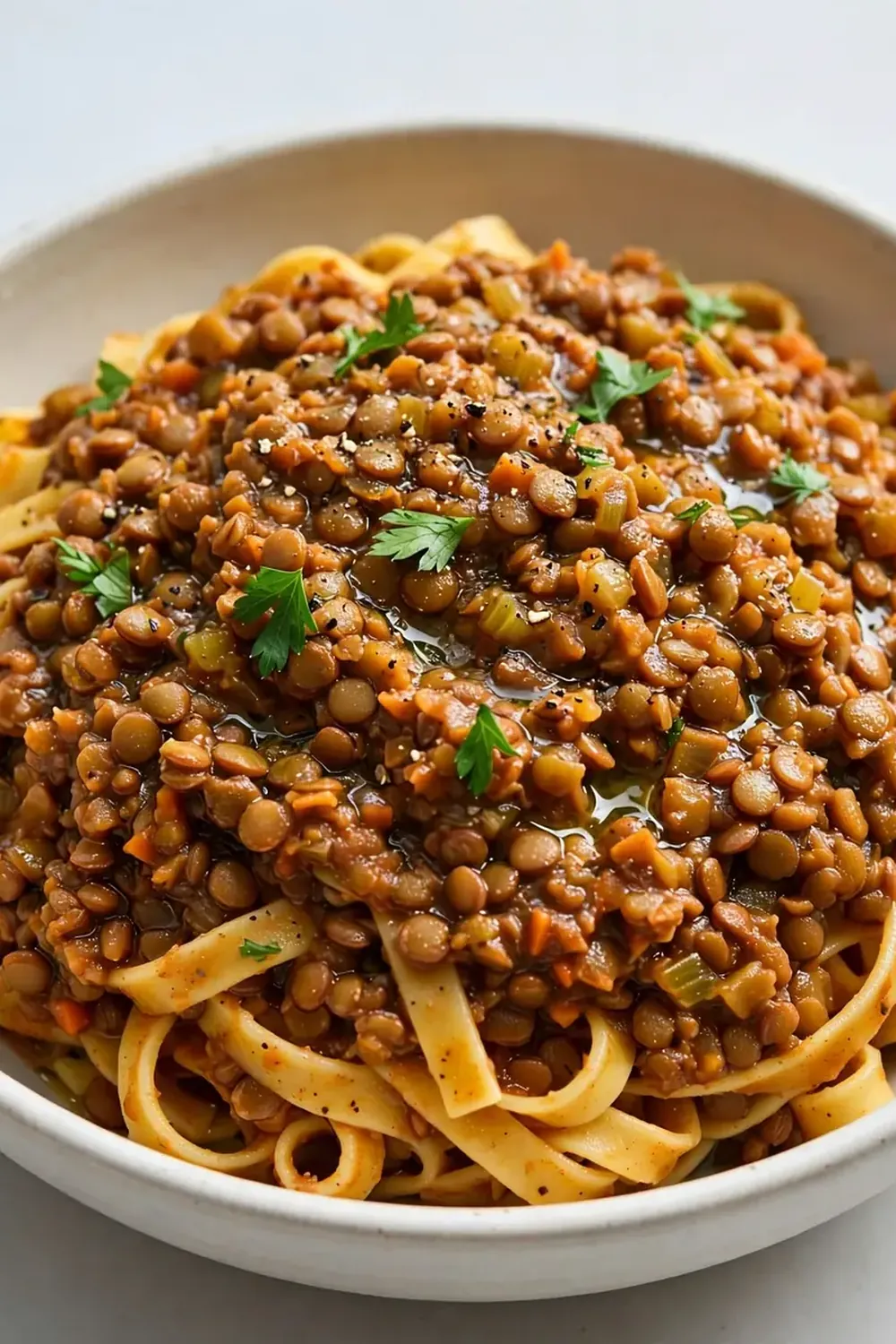
- Combine and serve. Drain the pasta and return it to the pot. Ladle in about three-quarters of the sauce and toss gently until every strand is coated. Serve in warm bowls with extra sauce spooned on top, garnished with fresh basil if you like.
Tips From My Kitchen
- Cook the vegetables low and slow: Rushing the soffritto base is the number one mistake I see. Taking those extra few minutes to sweat the onion, carrot, and celery properly develops a sweet, savoury foundation that makes the whole sauce taste like it’s been simmering for hours. If the pan looks dry at any point, add a splash of water rather than extra oil.
- Don’t skip the smoked paprika: This single ingredient adds a subtle, smoky depth that mimics the richness you’d expect from a slow-cooked meat sauce. It’s not overpowering, but you’ll definitely notice if it’s missing. Feel free to double the amount if you love that smoky character.
- Undercook the pasta slightly for meal prep: When you’re batch cooking, cook your pasta about 1 minute less than the packet suggests. It will finish cooking when you reheat it with the sauce, preventing that dreaded mushy texture that can ruin leftovers. Alternatively, store the sauce and pasta separately and combine only when reheating.
- Let the sauce rest before portioning: After cooking, let the sauce sit off the heat for 10 minutes before dividing it into containers. This resting time allows the starches to settle and the flavours to meld together beautifully. You’ll notice the texture becomes even more cohesive after a short rest.
- Freeze in individual portions: I use small, reusable silicone containers or freezer-safe jars to portion the sauce into single servings. This way, I can grab exactly what I need for a quick lunch or dinner without defrosting a massive block. The sauce freezes perfectly for up to three months.
- Boost the protein even further: If you want an extra protein kick, stir in a tablespoon of nutritional yeast or a scoop of unflavoured plant-based protein powder when you add the stock. It blends right in and you won’t taste a thing, but it bumps the protein content by a few grams per serving.
Equipment You’ll Need
- Large frying pan or heavy-bottomed pot (at least 5-litre capacity)
- Sharp knife and cutting board
- Box grater or food processor for grating carrots
- Wooden spoon or silicone spatula
- Large pot for cooking pasta
- Colander for draining pasta
- Measuring spoons and a liquid measuring jug
- Meal-prep containers or freezer-safe jars
Common Mistakes to Avoid
- Overcrowding the pan: When you add the lentils and tomatoes, make sure your pan is large enough to hold everything without the mixture piling too high. A crowded pan traps steam and prevents the sauce from reducing properly, leaving you with a watery, bland result. Use a wide, heavy-bottomed pot for best results.
- Wrong temperature: Simmering too vigorously can cause the sauce to catch on the bottom and burn, while cooking on too low a heat won’t allow the flavours to concentrate. Aim for a gentle, steady bubble — you should see small bubbles breaking the surface regularly, but not a violent rolling boil. Adjust your hob accordingly after the first 10 minutes.
- Skipping the rest time: It’s tempting to serve the sauce immediately after it finishes simmering, but letting it rest off the heat for 10 minutes allows the starches from the lentils to thicken the sauce naturally and the flavours to marry together. You’ll end up with a much more cohesive, restaurant-quality texture if you practise a little patience.
- Not seasoning in layers: Adding all the salt at the end is a missed opportunity. Season lightly when you cook the onions, add a pinch when you stir in the lentils, and then adjust at the end. Layered seasoning builds a more complex, well-rounded flavour profile that makes the sauce truly memorable.
What to Serve With Vegan High-Protein Lentil Bolognese
- A generous grating of vegan Parmesan or nutritional yeast for a cheesy, umami hit
- A crisp green salad dressed with lemon juice and olive oil to cut through the richness
- Garlic bread or crusty sourdough for mopping up every last drop of sauce
- Steamed greens like broccoli or green beans for added colour and nutrients
Frequently Asked Questions
Vegan High-Protein Lentil Bolognese
Ingredients
Method
- Start the soffritto base. Warm the olive oil in a large frying pan or heavy-bottomed pot over a medium heat. Add the diced onion and cook for 4-5 minutes until it turns translucent and smells sweet, stirring occasionally — you'll notice the edges just beginning to catch a pale golden colour.
- Add the aromatics and vegetables. Toss in the minced garlic, grated carrot, and chopped celery. Stir everything together and cook for another 5 minutes, until the carrot softens and the celery loses its crunch. The mixture should look moist and smell deeply savoury.
- Build the lentil base. Tip in the drained lentils and stir thoroughly so they're coated in the vegetable mixture. Cook for 2 minutes, letting the lentils warm through and absorb the flavours — you'll hear a gentle sizzle as they hit the hot pan.
- Add the tomatoes and seasonings. Pour in the tinned chopped tomatoes, tomato purée, vegetable stock, dried oregano, dried basil, smoked paprika, and chilli flakes if using. Give everything a good stir, scraping the bottom of the pan to release any tasty bits.
- Simmer until rich and thick. Bring the sauce to a gentle bubble, then reduce the heat to low. Let it simmer uncovered for 25-30 minutes, stirring every 5 minutes or so. You'll know it's ready when the sauce has thickened considerably, the lentils have broken down slightly to create a meaty texture, and the liquid has reduced by about a third. The aroma at this stage is absolutely incredible — rich, herby, and deeply savoury.
- Season and adjust. Taste the sauce and add salt and black pepper as needed. If it seems a little thick for your liking, stir in a splash of hot water or extra stock. If it's too thin, let it simmer for another 5 minutes uncovered.
- Cook the pasta. While the sauce simmers, bring a large pot of salted water to a rolling boil. Cook your spaghetti according to packet instructions until al dente — usually 8-10 minutes. Reserve a cup of pasta water before draining, as it's brilliant for loosening the sauce later if needed.
- Combine and serve. Drain the pasta and return it to the pot. Ladle in about three-quarters of the sauce and toss gently until every strand is coated. Serve in warm bowls with extra sauce spooned on top, garnished with fresh basil if you like.
Notes
I’d love to hear how this Vegan High-Protein Lentil Bolognese works out in your kitchen. Drop a comment below and let me know if you’ve tweaked it for your family or discovered a new favourite serving suggestion. Happy cooking, and remember — a little patience with the simmering pays off in every single bowl.